Growing Your Own Herbs: A Beginner's Guide

Growing your own herbs can be a rewarding and fulfilling experience. Not only do fresh herbs enhance the flavor of your meals, but they also provide a sense of accomplishment and connection to nature. Whether you have a spacious garden or a small balcony, cultivating herbs is accessible to everyone. In this guide, we will explore the basics of herb gardening, from selecting the right herbs to caring for them, ensuring you have everything you need to start your own herb garden.
Why Grow Your Own Herbs?
Growing herbs at home offers numerous benefits:
Freshness: Homegrown herbs are fresher than store-bought options, providing better flavor and aroma.
Cost-effective: Growing your own herbs can save you money in the long run, especially if you frequently use them in your cooking.
Convenience: Having fresh herbs at your fingertips means you can easily add flavor to your dishes without a trip to the grocery store.
Health benefits: Many herbs have medicinal properties and can contribute to a healthier lifestyle.
Choosing the Right Herbs
When starting your herb garden, it's essential to choose herbs that suit your cooking style and growing conditions. Here are some popular options for beginners:
Basil
Basil is a versatile herb that thrives in warm weather. It is perfect for Italian dishes, salads, and pesto.
Mint
Mint is a hardy herb that grows well in various conditions. It adds a refreshing flavor to beverages, desserts, and salads.
Parsley
Parsley is a staple herb in many kitchens. It can be used as a garnish or ingredient in a variety of dishes.
Chives
Chives are easy to grow and add a mild onion flavor to dishes. They are great for salads, soups, and as a garnish.
Rosemary
Rosemary is a fragrant herb that pairs well with meats and roasted vegetables. It prefers well-drained soil and plenty of sunlight.
Where to Grow Your Herbs
You can grow herbs in various locations, depending on your available space and climate. Here are some options:
In the Ground
If you have a garden, planting herbs directly in the ground allows for more space and better root development. Ensure the soil is well-drained and enriched with organic matter.
Raised Beds
Raised beds are an excellent option for those with limited space. They provide better drainage and can be filled with quality soil, making it easier to control growing conditions.
Containers
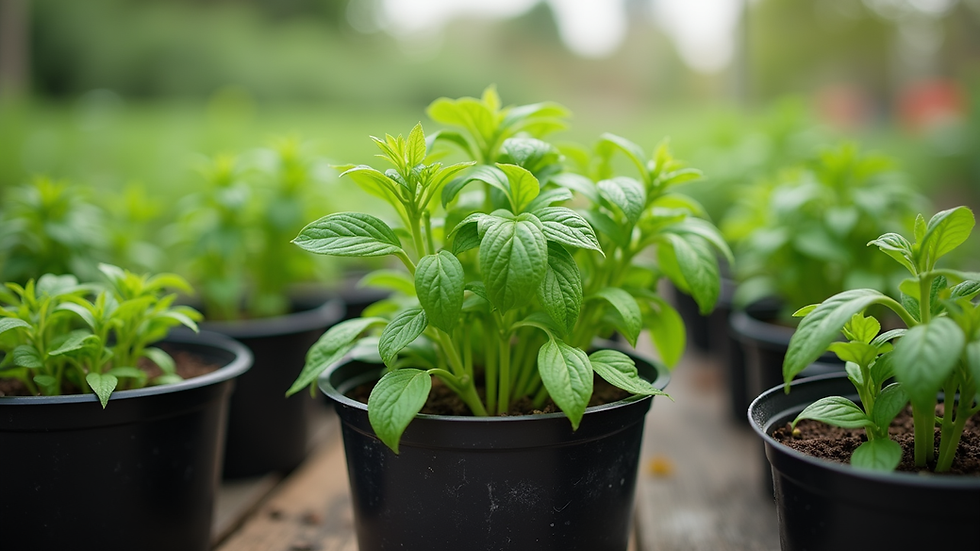
Growing herbs in pots or containers is perfect for small spaces like balconies or patios. Choose pots with drainage holes and use high-quality potting soil.
Preparing the Soil
Healthy soil is crucial for successful herb growth. Here’s how to prepare your soil:
Test the Soil: Check the pH level and nutrient content of your soil. Most herbs prefer slightly acidic to neutral soil (pH 6.0 to 7.0).
Amend the Soil: Add organic matter such as compost or well-rotted manure to improve soil fertility and drainage.
Loosen the Soil: Use a garden fork or tiller to break up compacted soil, allowing roots to grow freely.
Planting Your Herbs
Once your soil is ready, it's time to plant your herbs. Follow these steps:
Choose the Right Time: Plant herbs in the spring after the last frost or in the fall for a winter harvest.
Spacing: Ensure adequate spacing between plants to allow for air circulation and growth. Check the specific requirements for each herb.
Watering: Water the herbs thoroughly after planting, ensuring the soil is moist but not waterlogged.
Caring for Your Herbs
Proper care is essential for healthy herb growth. Here are some tips:
Watering
Herbs generally prefer consistent moisture. Water them regularly, especially during dry spells, but avoid overwatering. A good rule of thumb is to water when the top inch of soil feels dry.
Fertilizing
Use a balanced, organic fertilizer every few weeks during the growing season to provide essential nutrients. Be cautious not to over-fertilize, as this can lead to excessive leaf growth with less flavor.
Pruning
Regular pruning encourages bushier growth and prevents herbs from flowering too early. Trim back leaves and stems, using them in your cooking to avoid waste.
Pest Control
Keep an eye out for pests such as aphids and spider mites. Use natural pest control methods, like introducing beneficial insects or using insecticidal soap, to protect your herbs.
Harvesting Your Herbs
Knowing when and how to harvest your herbs is crucial for maximizing flavor:
Timing: Harvest herbs in the morning when the essential oils are most concentrated.
Method: Use clean scissors or pruning shears to cut leaves or stems. Avoid taking more than one-third of the plant at a time to ensure continued growth.
Preserving Your Herbs
If you have a bountiful harvest, consider preserving your herbs for later use. Here are some methods:
Drying
Hang herbs upside down in a cool, dark place with good air circulation. Once dried, store them in airtight containers away from light.
Freezing
Chop fresh herbs and mix them with olive oil in ice cube trays. Freeze and store the cubes in a freezer bag for easy use in cooking.
Infusing
Infuse herbs in oils or vinegars for added flavor. Simply combine herbs with your choice of oil or vinegar and let them steep for a few weeks.
Common Mistakes to Avoid
As a beginner, you may encounter some challenges. Here are common mistakes to avoid:
Overwatering: This is a common issue that can lead to root rot. Always check the soil moisture before watering.
Neglecting Sunlight: Most herbs require at least 6 hours of sunlight daily. Ensure they are placed in a sunny spot.
Ignoring Pests: Regularly inspect your plants for signs of pests or disease to catch issues early.
Conclusion
Growing your own herbs is a fulfilling endeavor that enhances your cooking and connects you with nature. By choosing the right herbs, providing proper care, and avoiding common mistakes, you can enjoy a thriving herb garden. Start small, experiment with different herbs, and enjoy the fresh flavors they bring to your meals. Happy gardening!

Comments