Top Wellness Tips for Natural Living

In a world filled with synthetic products and fast-paced lifestyles, many individuals are seeking a return to natural living. This shift is not just about choosing organic foods; it encompasses a holistic approach to wellness that includes mental, physical, and emotional health. Embracing natural living can lead to a more balanced and fulfilling life. Here are some top wellness tips to help you on your journey toward a healthier, more natural lifestyle.
Understanding Natural Living
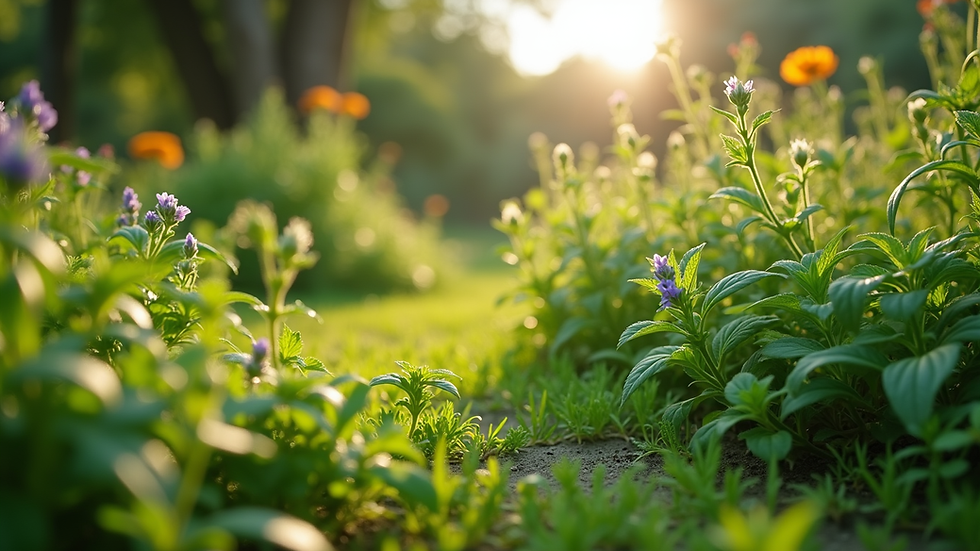
Natural living is about making choices that promote health and well-being while minimizing harm to the environment. This philosophy encourages individuals to connect with nature, use natural products, and adopt sustainable practices. Here are some key components of natural living:
Whole Foods: Focus on consuming unprocessed, whole foods that are rich in nutrients.
Mindfulness: Practice being present in the moment to enhance mental clarity and emotional stability.
Sustainability: Choose products and practices that are environmentally friendly and sustainable.
Nutrition: The Foundation of Wellness
Embrace Whole Foods
One of the most significant changes you can make for your health is to shift your diet toward whole foods. This means prioritizing fruits, vegetables, whole grains, nuts, and seeds while minimizing processed foods. Here are some tips for incorporating whole foods into your diet:
Plan Your Meals: Create a weekly meal plan that includes a variety of whole foods. This helps you avoid last-minute unhealthy choices.
Shop Local: Visit farmers' markets to find fresh, seasonal produce. Supporting local farmers also reduces your carbon footprint.
Cook at Home: Preparing meals at home allows you to control the ingredients and avoid additives found in many restaurant dishes.
Hydration is Key
Staying hydrated is essential for overall health. Water plays a crucial role in digestion, circulation, and temperature regulation. Here are some hydration tips:
Drink Water First: Start your day with a glass of water to kickstart your metabolism.
Infuse Your Water: Add slices of fruits or herbs to your water for a refreshing twist.
Limit Sugary Drinks: Replace sodas and sugary beverages with water or herbal teas.
Mindfulness and Mental Health
Practice Mindfulness
Mindfulness is the practice of being present and fully engaged in the moment. It can significantly improve mental health and reduce stress. Here are some ways to incorporate mindfulness into your daily routine:
Meditation: Set aside a few minutes each day for meditation. Focus on your breath and let go of distractions.
Nature Walks: Spend time outdoors, observing the beauty of nature. This can help clear your mind and improve your mood.
Gratitude Journaling: Write down three things you are grateful for each day. This simple practice can shift your perspective and enhance your overall well-being.
Prioritize Sleep
Quality sleep is vital for mental and physical health. Lack of sleep can lead to a host of health issues, including anxiety and depression. Here are some tips for improving your sleep:
Create a Sleep Schedule: Go to bed and wake up at the same time each day to regulate your body’s internal clock.
Limit Screen Time: Reduce exposure to screens at least an hour before bedtime to improve sleep quality.
Create a Relaxing Environment: Make your bedroom a calming space by keeping it dark, cool, and quiet.
Physical Activity: Moving Naturally
Find Joy in Movement
Physical activity is essential for maintaining a healthy body and mind. Instead of viewing exercise as a chore, find activities that you genuinely enjoy. Here are some ideas:
Outdoor Activities: Hiking, biking, or swimming in natural settings can make exercise feel more enjoyable.
Join a Class: Consider joining a yoga or dance class to meet new people while staying active.
Incorporate Movement into Daily Life: Take the stairs instead of the elevator or go for a walk during your lunch break.
Listen to Your Body
Pay attention to your body’s signals. If you feel tired or sore, allow yourself to rest. It’s essential to strike a balance between activity and recovery. Here are some tips for listening to your body:
Rest Days: Schedule regular rest days to allow your body to recover and prevent burnout.
Gentle Movement: On rest days, consider gentle activities like stretching or yoga to keep your body engaged without overexerting yourself.
Sustainable Living Practices
Reduce, Reuse, Recycle
Adopting sustainable practices can significantly impact your health and the environment. Here are some ways to reduce waste in your daily life:
Choose Reusable Products: Invest in reusable bags, water bottles, and containers to minimize single-use plastics.
Compost: Start composting food scraps to reduce waste and create nutrient-rich soil for your garden.
Buy Secondhand: Consider purchasing secondhand items to reduce demand for new products and save money.
Grow Your Own Food
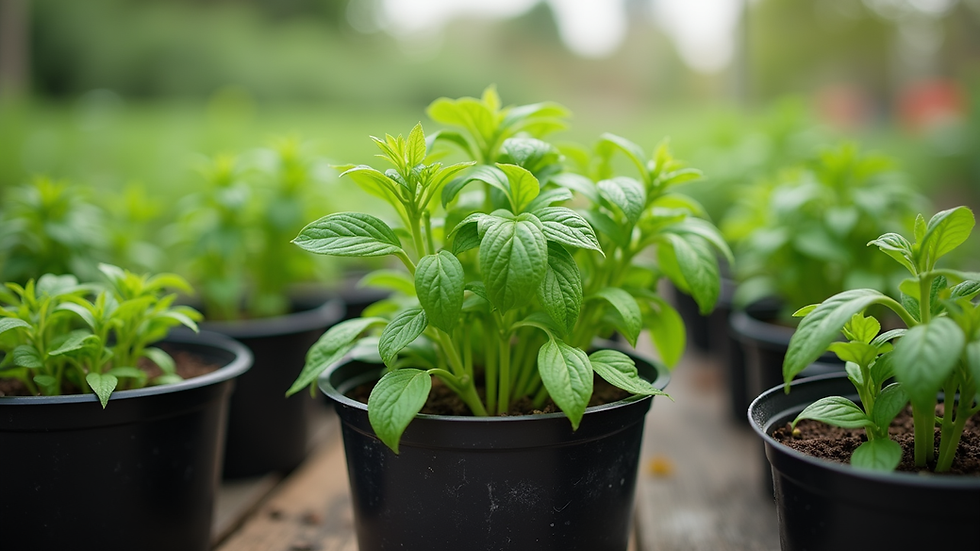
Growing your own food can be a rewarding and sustainable practice. Even if you have limited space, you can start a small herb garden or container garden. Here are some tips for getting started:
Choose Easy-to-Grow Plants: Start with herbs like basil, mint, or rosemary, which are easy to grow indoors or outdoors.
Use Organic Seeds: Opt for organic seeds to ensure you are growing food free from harmful chemicals.
Learn About Companion Planting: Some plants grow better together. Research companion planting to maximize your garden’s potential.
Connecting with Nature
Spend Time Outdoors
Connecting with nature is vital for mental and emotional well-being. Here are some ways to immerse yourself in the natural world:
Nature Retreats: Plan regular trips to natural parks or reserves to disconnect from technology and reconnect with nature.
Gardening: Cultivating a garden can be therapeutic and provides a sense of accomplishment.
Mindful Observation: Take time to observe the details of nature, such as the colors of leaves or the sounds of birds. This practice can enhance your appreciation for the environment.
Engage in Eco-Friendly Activities
Participating in eco-friendly activities can deepen your connection to nature while promoting sustainability. Here are some ideas:
Volunteer for Cleanups: Join local groups that organize cleanups in parks or beaches to help protect the environment.
Participate in Community Gardens: Engage with your community by joining a community garden, where you can grow food and build relationships with others.
Conclusion
Embracing natural living is a journey that requires intention and commitment. By focusing on whole foods, mindfulness, physical activity, and sustainable practices, you can enhance your overall well-being and contribute to a healthier planet. Start small, make gradual changes, and remember that every step counts. Your journey toward natural living can lead to a more fulfilling and balanced life. Take the first step today and explore the beauty of natural living.


Comments